

PPWR ready.
Built over a decade. Ready for what comes next.
Packaging in Europe is entering a new phase. The EU Packaging and Packaging Waste Regulation (PPWR) sets a clear direction: less waste, more circularity, and packaging that works within real recycling systems.
But this transition will not happen overnight. PPWR implementation started on August 12, 2026.

We are at the starting line, not the finish.
Many requirements will be phased in over time, and key details will continue to be defined through additional legislation and guidance. In practice, that means no company can claim full compliance today, because the full framework is still evolving.
What companies can do is be ready to move forward. At Constantia Flexibles, that is what we mean when we say we are PPWR ready. Not because everything is finalized, but because we have spent more than a decade preparing for this transition.
Long before PPWR entered into force, we embedded Design for Recycling and circular thinking in how we develop packaging. Today, that translates into a broad, application-driven portfolio across materials, along with practical experience in real production environments.
We have prepared for this moment, and we are ready to execute.
And as the regulatory path continues to take shape, we stay close to it: tracking developments, interpreting changes, and translating them into what they mean for your packaging, your operations, and your decisions. Because this is not just about regulation, it is about making the right choices under evolving conditions.
We are here to support you with exactly that, helping you make informed, case-by-case decisions, supported by data, experience, and regular updates as the framework continues to evolve.


Shift of the focus
As requirements evolve, the focus shifts to what truly works in practice: dependable machinability, robust and transparent sustainability data, and packaging solutions that integrate as smoothly as possible into existing operations. Our role is to help make this complexity manageable.

Real-world application
We work closely with you to evaluate product requirements, line performance, and material characteristics, so the selected structure is not only fit for presentation, but fit for real-world application: on your machines, in your processes, and in your market context.

Material selection
Material selection is always assessed case by case because PPWR readiness depends on the specific product, packaging format, and operational setup. There is no one-size-fits-all solution—only the right solution for your application.

For more than a decade, we have integrated circular thinking into our development processes. Today, this is reflected in our Ecolutions portfolio, which brings together a broad range of packaging solutions designed to support existing recycling pathways wherever they are established and applicable.
Our ambition is clear. We aim to align our packaging solutions with Design for Recycling principles or to provide a Design for Recycling alternative. As of 2025, 98 percent of our product portfolio met this definition, based on internal criteria and available industry guidelines.
For you, that means you are not starting from scratch. You are working with a partner that brings a broad portfolio, practical experience, and measurable progress toward more circular packaging solutions.
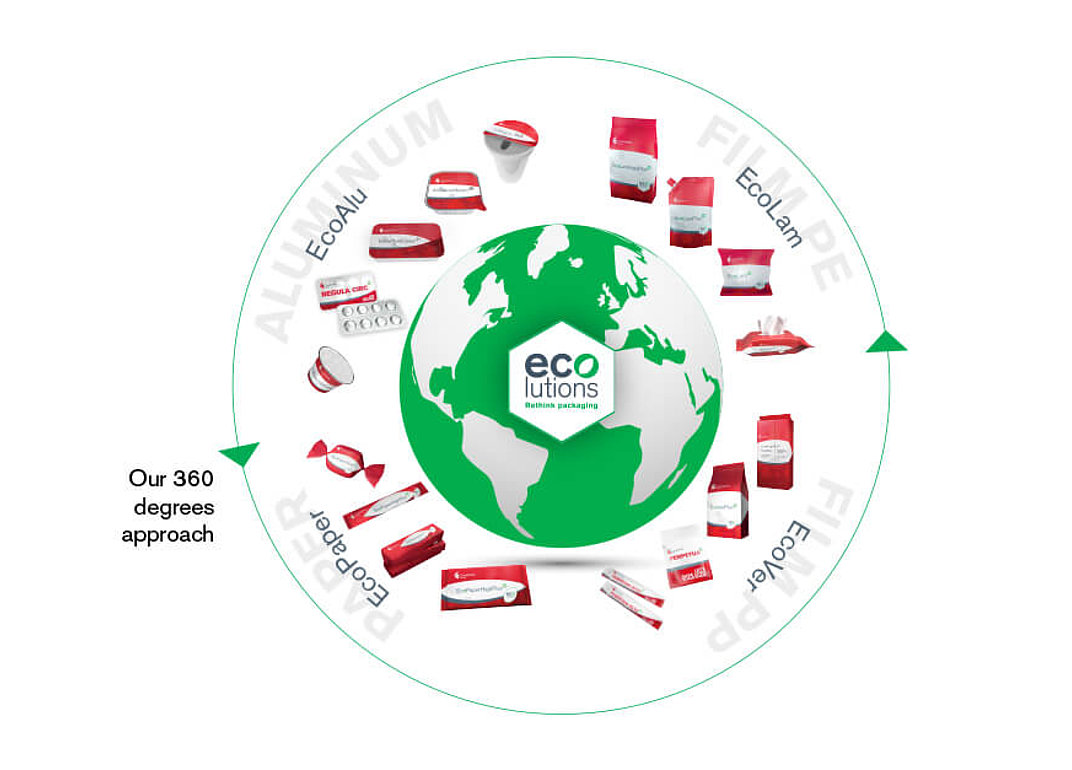
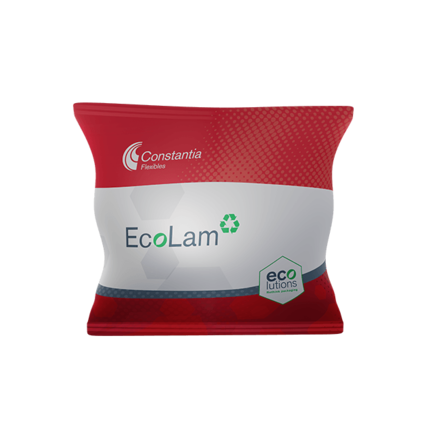
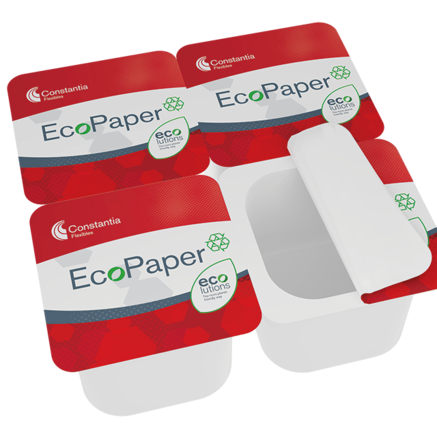
Our Ecolutions range includes solutions such as EcoLam for mono PE laminates, EcoVer for mono PP structures, EcoPaper, and aluminum-based formats. This gives you access to a broad material base and allows you to select solutions based on your specific application rather than a predefined material strategy.

You want to know more about PPWR?
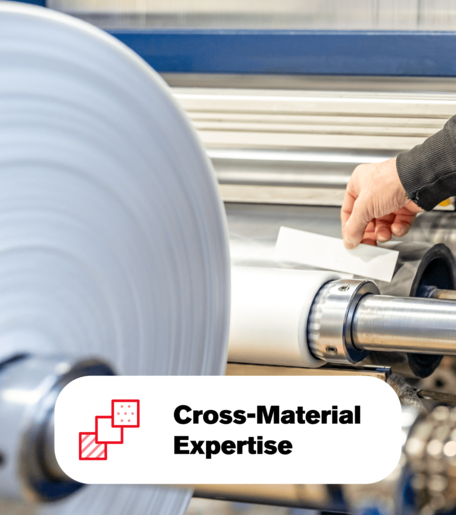
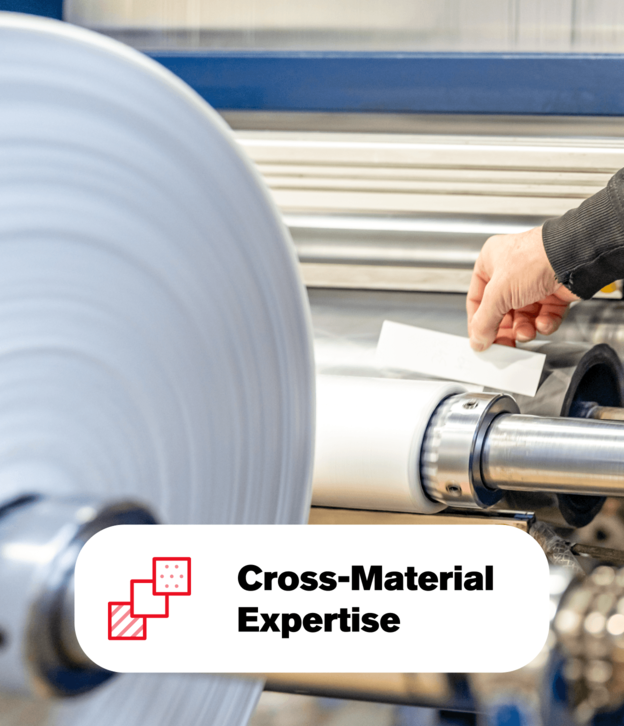
Cross-Material Expertise
Because we work across materials, we can support you in identifying the solution that best fits your product's and operational requirements rather than applying a single-material approach. For you, that means you are not starting from scratch. You are working with a partner that brings a broad portfolio, practical experience, and measurable progress toward more circular packaging solutions. Our Ecolutions range includes solutions such as EcoLam for mono PE laminates, EcoVer for mono PP structures, EcoPaper, and aluminum-based formats. This gives you access to a broad material base and allows you to select solutions based on your specific application rather than a predefined material.
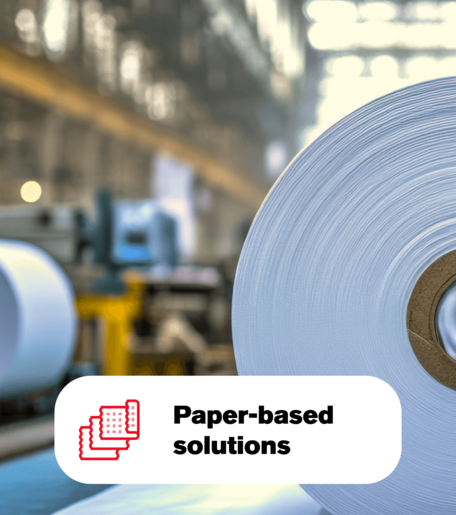
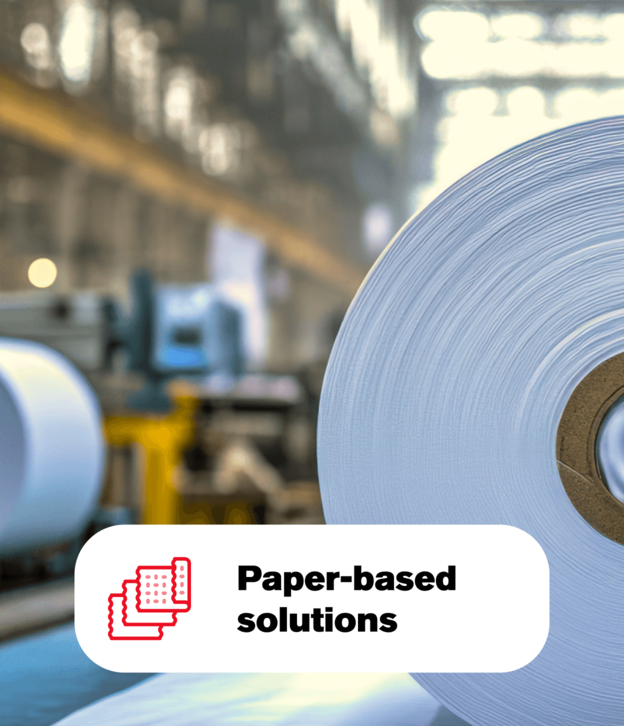
Paper-based solutions
For instance, if your application requires paper-based alternatives, our paper portfolio includes different paper solutions developed in line with recognized industry guidelines such as 4evergreen and tested for compatibility with paper recycling streams under defined conditions.
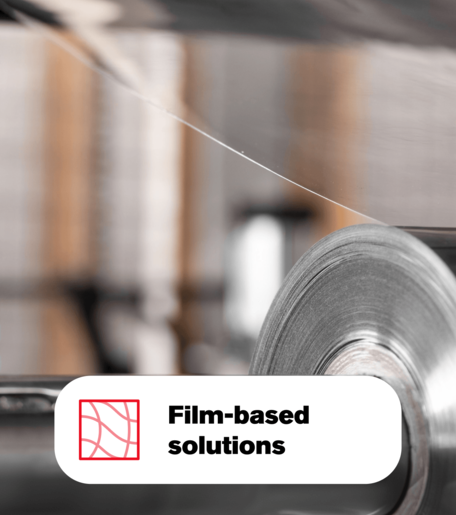
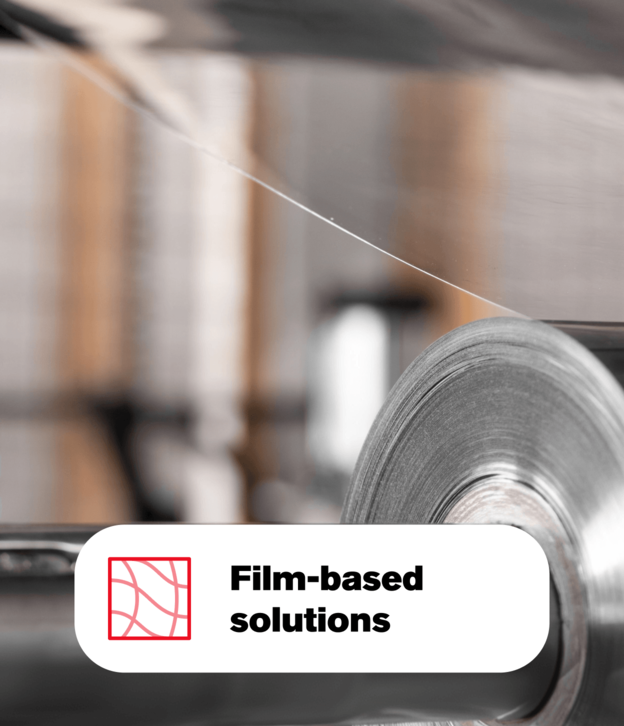
Film-based solutions
If your application needs film-based solutions, we can offer you PE and PP structures designed in line with Design for Recycling guidelines. Depending on the application, these solutions can support compatibility with existing recycling streams while maintaining the barrier and performance characteristics required for the product.
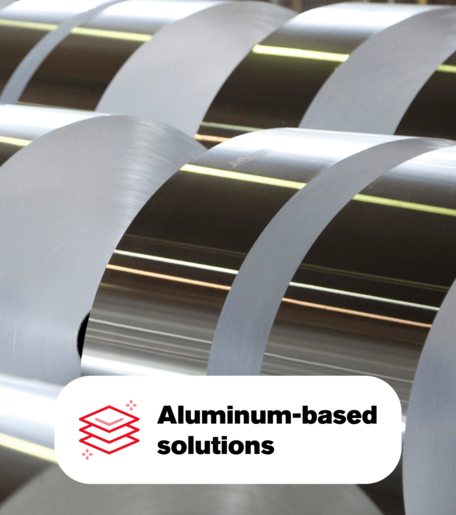
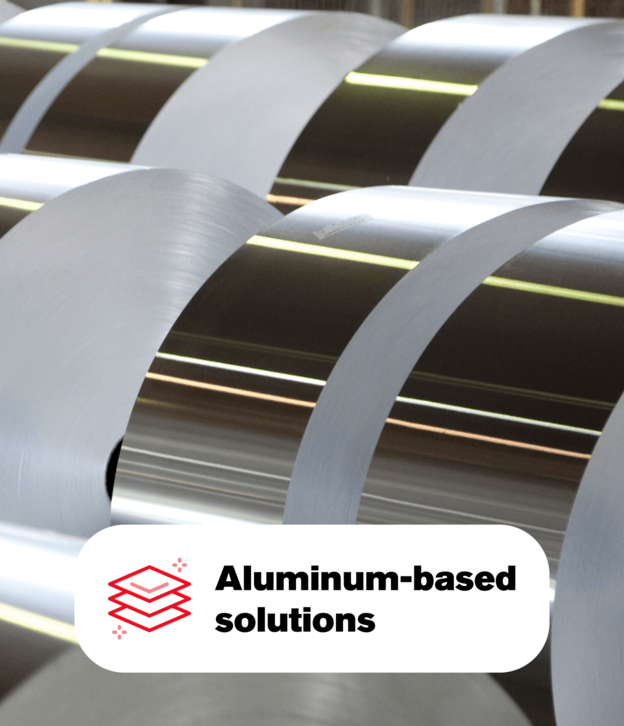
Aluminum-based solutions
In a third case, if you require aluminum’s barrier performance, our aluminum portfolio offers solutions that combine high-barrier protection with compatibility with existing recycling streams where suitable infrastructure is available.
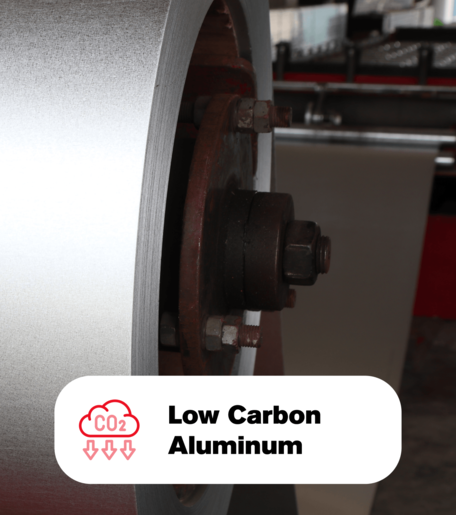
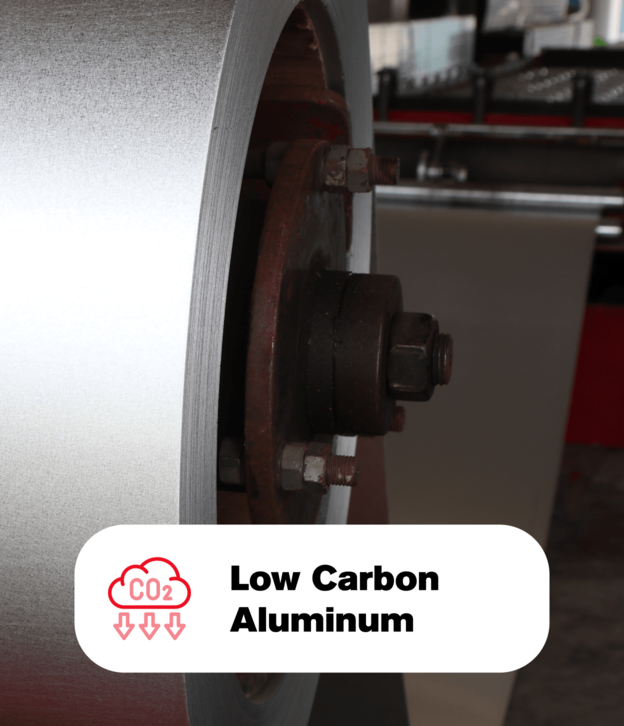
Low Carbon Aluminum
Also, for customers with climate-related objectives, we have our Low Carbon Aluminum portfolio, which also includes options with a reduced Product Carbon Footprint (PCF) compared to conventional aluminum, based on defined methodologies and data sets. Final material selection should be based on the performance requirements of the individual application.
Reliable data calculations
We also support you with reliable climate data for decision-making. We use Product Carbon Footprint calculations and Life Cycle Assessments as decision-support tools. This will help you compare options and make informed material choices based on transparent and method-based data.


Our PPWR ready materials already work on your machines, not only on a slide
A strong packaging concept is only valuable if it runs reliably. That is why machinability and integration are central to our PPWR approach.
At interpack 2026, our materials ran live on equipment from 30 machine suppliers, providing a practical view of how our solutions perform across different machines and applications.
But demonstrations are only one part of the picture.
Our focus is on developing solutions with real production requirements in mind, supported by testing, partner collaboration, and application experience.
This approach is reflected throughout our portfolio.
Our Ecolutions portfolio supports PPWR readiness
The Ecolutions portfolio has been developed to help customers address evolving packaging requirements, including the transition toward packaging designed for recyclability. Designed in line with recognized Design for Recycling principles, these solutions help brands explore packaging alternatives while maintaining the protection, quality, and shelf-life performance required for their applications. What sets Ecolutions apart is its broad material coverage. Whether films, aluminum, or paper, the portfolio offers solutions across a wide range of packaging formats, helping customers identify the option that best fits their product, operational requirements, and recycling objectives.
Consumer today, strong support for Pharma as well
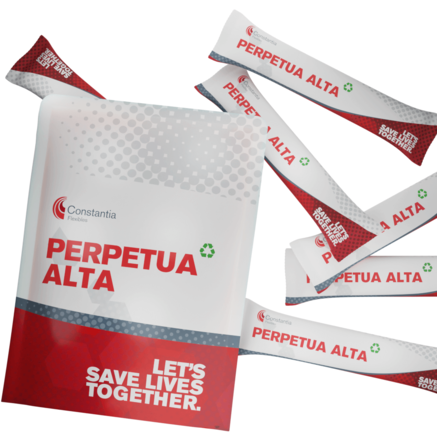
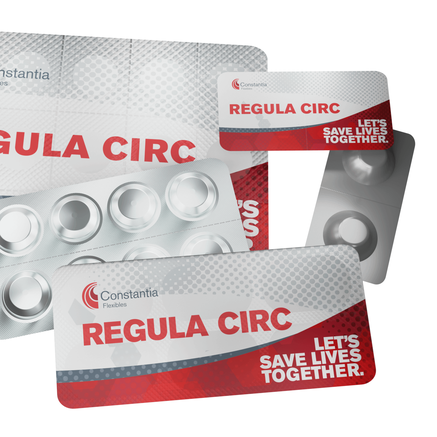
For many businesses, current PPWR discussions often begin with consumer packaging. At the same time, the regulation applies across all packaging sectors, including pharmaceutical and healthcare. In Pharma, the requirements are shaped by additional constraints. Patient safety, product stability, and regulatory compliance remain the first priority. As a result, certain packaging types may benefit from targeted exemptions or extended timelines under PPWR, particularly where recycling-related or material changes could impact product quality or safety. This means that the path toward packaging in line with Design for Recycling principles can differ from that of consumer applications and often requires more time, validation, and case-by-case assessment. Our portfolio spans both Consumer and Pharma, including solutions such as PERPETUA ALTA and REGULA CIRC. These illustrate how Design for Recycling principles can be considered alongside high-barrier requirements and compatibility with existing packaging processes, depending on the specific application.
We help to shape the future, not just react to it
We believe PPWR will only deliver results if it works in practice across the entire value chain. That is why we actively contribute to collaborative industry initiatives that help translate regulatory direction into workable solutions.
Through Constantia Flexibles, where we are a founding member, we contribute to advancing a circular economy for flexible packaging. This includes developing technical proposals and the Design for Recycling approaches that help ensure flexible packaging is properly reflected in the evolving regulatory framework.
In parallel, we are actively involved in industry associations such as Flexible Packaging Europe and other European platforms. Here, the focus is on ongoing dialogue with policymakers, contributing practical input on how PPWR can be implemented, and supporting a transparent exchange with the European Commission.
We also contribute to technical standard-setting and methodology development. This includes work on Product Environmental Footprint Category Rules for flexible packaging and active participation in European standardization activities under CEN, where Design for Recycling guidelines for different materials are being developed. Experts from our organization are engaged in these working groups and related national initiatives.
In addition, we are involved in initiatives such as 4evergreen for fiber-based packaging. Together, these activities ensure that our perspective is shaped not only by internal development, but also by technical collaboration, regulatory dialogue, and alignment with evolving European standards.






Get expert support on PPWR
Frequently Asked Questions (FAQs)
“PPWR ready” refers to preparation for evolving regulatory requirements. It includes aligning packaging development with Design for Recycling principles, building a broad portfolio of suitable solutions, and supporting customers with data, testing, and case-by-case evaluation. It does not imply full compliance, as detailed requirements continue to be specified through additional legislation and guidance.
The PPWR applies from August 12, 2026, with several requirements phased in over time. Additional technical details and criteria will continue to be developed through secondary legislation and guidance.
In many cases, yes. The extent of change depends on the application, material, and regulatory requirements. Packaging is typically assessed on a case-by-case basis, and any necessary changes are tailored to the specific product requirements.
PPWR sets a clear direction for packaging in Europe, but many detailed requirements are still being defined through secondary legislation and guidance.
What is already clear is that packaging will increasingly need to meet requirements across its full life cycle. This includes areas such as Design for Recycling, labelling, packaging minimization, use of recycled content, and recyclability. For example, the regulation introduces mandatory recycled content targets for certain types of plastic packaging from 2030, with specific thresholds depending on the application. At the same time, many technical details, definitions, and methodologies are still being clarified through secondary legislation and evolving guidance.
For customers, this means that packaging decisions need to balance product performance, operational requirements, and evolving regulatory expectations more closely. It also requires access to reliable data, testing, and case-by-case evaluation as the framework continues to develop.
The PPWR applies across all packaging sectors, including industrial and pharmaceutical applications, with some sector-specific requirements and constraints.
Yes. PPWR does not prescribe a single material solution.
Material selection remains application-specific and depends on factors such as product requirements, line performance, and relevant regulatory and market conditions. We support customers in evaluating options across aluminum, film, and paper.
Not necessarily. Design for Recycling refers to aligning packaging structures with defined design principles. Actual recyclability depends on local collection, sorting, and recycling infrastructure, which can vary by region.
Design for Recycling focuses on packaging design. Recyclability also depends on system conditions such as infrastructure, sorting, and processing capabilities.
In selected applications, packaging solutions may be compatible with existing equipment.
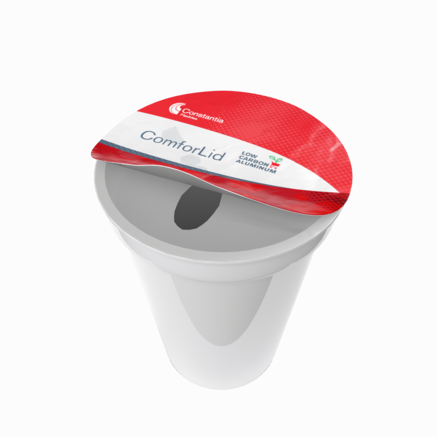
Examples such as ComforLid and REGULA CIRC are designed with integration into existing lines in mind. Compatibility and performance always require case-by-case evaluation, depending on the specific product, line setup, and process conditions.
Yes. We support customers with data and information related to recycled content, Product Carbon Footprint (PCF), and Life Cycle Assessment (LCA) results.
All aspects are assessed based on defined methodologies, product-specific scope, and applicable regulatory and technical requirements.
Yes. Our packaging materials comply with the applicable threshold limits for heavy metals and PFAS.
As the principle of “design for compliance” flows in our veins, the phase out of PFAS from our product portfolio started already well before the regulatory provisions in Europe were drafted. This enabled us to proactively lead the change instead of reacting to legal necessity. Today, packaging material alternatives without intentionally added PFAS meeting the regulatory threshold limits set out for food contact packaging can be offered for all contact sensitive packaging applications – including pharma and other consumer packaging.